Melanin basics: pigment, not a magic explanation for every hair trait
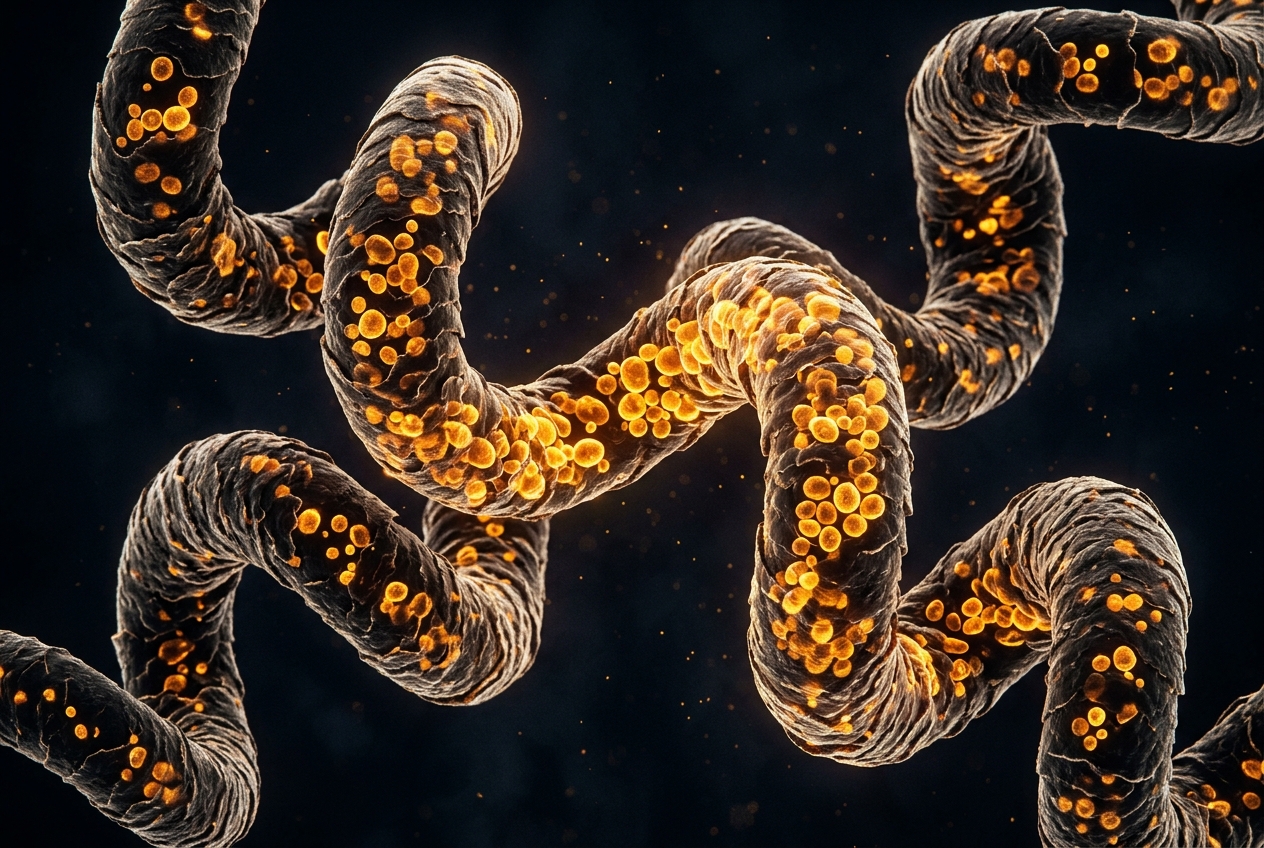
Melanin is a family of pigments produced by melanocytes. In hair follicles, pigment-producing cells transfer melanin-containing structures into the cells that form the growing hair shaft. The balance and amount of eumelanin and pheomelanin contribute to visible hair color.
That is important—but precision matters. In natural-hair conversations, the word melanin is often stretched to explain curl pattern, porosity, scalp oil, growth rate and even product absorption. Modern hair research does not support treating one pigment as the cause of all those traits. Curvature, cross-sectional shape, follicle geometry, grooming history, weathering and chemical processing are separate variables.
MELANING.ORG uses “melanin-rich hair” as a cultural and audience-centered term while keeping the biology specific. That distinction lets us celebrate the crown without turning identity language into pseudo-science.
Eumelanin and pheomelanin
Eumelanin is associated with brown-to-black pigmentation, while pheomelanin contributes red-to-yellow tones. Human hair color reflects the amount, type and distribution of these pigments inside the fiber.
Melanin also absorbs light. That does not mean dark hair is immune to sunlight or weathering. UV exposure can still affect hair proteins, alter color and contribute to a rougher, more weathered fiber over time. Hats, scarves and sensible sun protection can be useful when exposure is intense.
What creates curl pattern?
Hair curvature is a structural phenotype. Reviews of curly and Afro-textured hair describe relationships among follicle shape, the angle at which the fiber grows, cross-sectional geometry and asymmetry within the fiber. These factors help explain why a strand curves, twists or coils.
This is why two people can have similarly dark hair yet dramatically different curl patterns—and why tightly curled hair also occurs across different ancestries. A recent review explicitly cautions against treating “African hair” as one uniform biological category because curl characteristics exist on a spectrum.
The practical lesson is simple: care for the shape and condition of the fiber in front of you, not a racial stereotype. Highly curved fibers tend to create more contact points, knots and friction during grooming, so slip and gentle handling become especially valuable. See our detangling guide for the mechanical side of that problem.
Why textured hair can break more easily
Highly textured hair can be more vulnerable to breakage because curvature creates bends and torsions, grooming can place concentrated stress on those points, and sebum does not necessarily coat every centimeter of a tightly curved strand evenly. Repeated heat, chemical straightening, bleaching, tight styling and rough detangling add further weathering.
The American Academy of Dermatology describes Black hair as particularly fragile and recommends conditioning after shampooing and taking steps to minimize damage. Clinical reviews similarly emphasize the interaction between intrinsic fiber geometry and hair-care practices.
Notice what is missing from that explanation: melanin pigment is not being blamed for the breakage. The most useful levers are mechanical—friction, tension, heat, chemical history, conditioning and how often the same vulnerable points are stressed.
Melanin, graying and color change
Gray or white hair appears when the follicle produces less pigment for the new fiber. Genetics and aging are major drivers. Premature or sudden changes can sometimes appear alongside nutritional or medical issues, but a hair-care product cannot reliably “switch melanin back on” in genetically gray hair.
Be skeptical of oils or supplements marketed as guaranteed gray-hair reversals. If graying is unusually early, rapid or accompanied by other symptoms, a clinician can decide whether any medical investigation is appropriate.
What this changes in your routine
Once pigmentation and curl mechanics are separated, routine decisions become clearer. You can focus on what actually changes outcomes: scalp comfort, cleansing, conditioning, detangling slip, tension, heat exposure, chemical history, end protection and consistency.
- Use conditioner to reduce friction during grooming.
- Detangle in sections with enough slip rather than forcing dry knots apart.
- Avoid styles that are painful or keep the hairline under repeated tension.
- Judge porosity by real-world behavior and damage history, not a single float test.
- Seek professional assessment for persistent loss, scarring, pain or inflammation.
Next, read the scalp health guide and the breakage diagnosis guide.
Sources & further reading
This article is educational and does not replace diagnosis or treatment from a qualified clinician.
- Afro-textured hair care: narrative review and recommendations for dermatologists
- The what, why and how of curly hair: a review
- Black hair: tips for everyday care — American Academy of Dermatology
Take the Framework & Spiritual Wisdom With You
Scalp-first hair retention frameworks, ancient Kemetic consciousness, and spiritual awakening masterclasses.
Untold Secrets of Melanin & The Hair
A clear, retention-first framework for scalp care, moisture, low-breakage handling, and protective habits distilled into one downloadable guide.
Why She Left Religion: Awakening Interview
Full 1hr 45m video exploration into spiritual awakening, ancient Kemetic wisdom, personal dignity, and African spiritual heritage.
Frequently asked questions
Is melanin the reason 4C hair is tightly coiled?
No. Melanin primarily contributes pigmentation. Curl pattern is better explained by follicle and fiber geometry, with wide variation among people.
Does dark hair need sun protection?
Dark pigment absorbs substantial light, but the hair fiber can still weather and change with ultraviolet exposure. Hats and physical protection can still be useful.
Does more melanin make hair stronger?
Not in a simple, predictable way. Hair strength and breakage risk depend heavily on fiber structure, weathering, heat, chemicals, friction and grooming.
Can an oil increase melanin production and reverse gray hair?
There is no routine hair oil with reliable evidence that it reverses genetically gray hair by restoring pigment production.